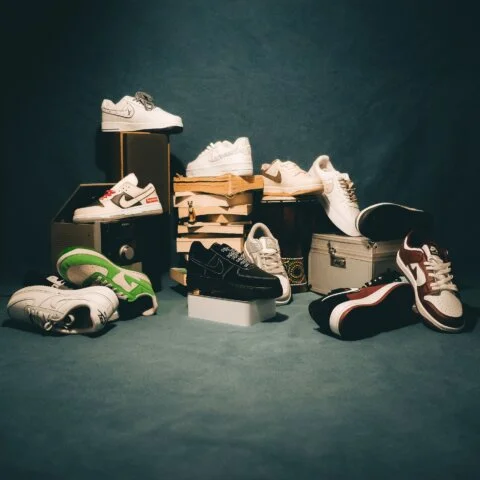
Footwear refers to garments worn on the feet to provide protection, support, and stability across a range of environments and activities. The global footwear market spans hundreds of distinct designs, each engineered for a specific function, climate, or occasion. This guide categorizes the major types of footwear into five primary groups—athletic, formal, casual, seasonal, and industrial/safety—and examines the specific styles, textile materials, and use cases that define each one.
Understanding these types of footwear helps you make informed decisions about construction quality, material performance, and intended application. Whether you buy, sell, or manufacture, the right category knowledge puts you a step ahead.
Why Understanding Types of Footwear Matters
Footwear selection directly affects comfort, posture, injury prevention, and durability. A shoe engineered for the wrong activity introduces friction, instability, and accelerated wear. Classifying the types of footwear by category therefore serves a practical purpose:
- Identifies function: Each category aligns with a defined activity or environment.
- Clarifies materials: Construction varies significantly between leather, mesh, rubber, and synthetic textiles.
- Guides purchasing: Category knowledge reduces mismatches between product and use case.
- Supports specification: Manufacturers and retailers rely on consistent terminology for sourcing and listing.
With these benefits established, the five core shoe types can be examined in detail.
1. Athletic Footwear

Athletic footwear comprises shoes engineered to support physical activity through cushioning, traction, and breathability. This category prioritizes biomechanical performance, shock absorption, and ventilation to accommodate repetitive, high-impact movement.
Common Types of Athletic Footwear
- Running shoes: Designed for forward motion, featuring heel cushioning and flexible forefoot construction.
- Cross-trainers: Built for multidirectional movement in gym and field settings.
- Basketball shoes: Engineered with high-top ankle support and reinforced soles for lateral stability.
- Cleats: Fitted with studs for traction on grass and turf surfaces.
- Walking shoes: Lightweight designs prioritizing heel-to-toe support and arch comfort.
Primary Materials in Athletic Footwear
- Engineered mesh: Provides breathability and reduces overall weight.
- Synthetic overlays: Reinforce high-stress zones without adding rigidity.
- EVA and foam compounds: Deliver midsole cushioning and energy return.
- Rubber outsoles: Supply abrasion resistance and surface grip.
Typical Use Cases for Athletic Footwear
Athletic footwear suits running, court sports, gym training, and extended walking. The combination of moisture-wicking textile materials and structured cushioning makes this category essential for performance and recovery alike.
2. Formal Footwear

Formal footwear consists of structured shoes worn for professional, ceremonial, and dress occasions. This category emphasizes refined construction, polished finishes, and durable leather components that convey a tailored appearance.
Common Types of Formal Footwear
- Oxfords: Closed-lacing dress shoes recognized for a sleek, conservative profile.
- Derbies: Open-lacing alternatives offering a slightly relaxed fit.
- Loafers: Slip-on designs suited to business-casual and semi-formal settings.
- Monk straps: Buckle-fastened shoes that balance formality with distinction.
- Court heels and pumps: Closed-toe options for formal womenswear.
Primary Materials in Formal Footwear
- Full-grain leather: Offers durability, structure, and a refined surface.
- Patent leather: Provides a high-gloss finish for evening and ceremonial wear.
- Suede: Delivers a soft, textured appearance for smart-casual contexts.
- Textile linings: Improve interior comfort and moisture management.
Typical Use Cases for Formal Footwear
Formal footwear is appropriate for corporate environments, weddings, interviews, and black-tie events. The category rewards careful maintenance, as quality leather and stitched soles extend product lifespan considerably.
3. Casual Footwear

Casual footwear includes everyday shoes designed for comfort, versatility, and low-maintenance wear. This category bridges function and style, accommodating informal social settings and routine daily use.
Common Types of Casual Footwear
- Sneakers: Lifestyle versions of athletic shoes with emphasis on aesthetics.
- Slip-ons: Laceless designs prized for convenience.
- Espadrilles: Lightweight shoes with woven jute soles.
- Boat shoes: Moccasin-style shoes with non-marking rubber outsoles.
- Ballet flats: Low-profile slip-ons for relaxed feminine styling.
Primary Materials in Casual Footwear
- Canvas: Breathable, affordable, and widely used in casual sneakers.
- Cotton and linen blends: Lightweight options ideal for warm conditions.
- Soft leather and suede: Add structure and longevity to premium casual lines.
- Recycled synthetic textiles: Increasingly common in sustainable footwear collections.
Typical Use Cases for Casual Footwear
Casual footwear suits errands, social outings, travel, and informal workplaces. The category’s reliance on breathable textile materials makes it adaptable across mild climates and varied daily routines.
4. Seasonal Footwear

Seasonal footwear comprises shoes engineered for specific weather conditions and climates. This category prioritizes thermal regulation, water resistance, and surface adaptability to address environmental demands.
Common Types of Seasonal Footwear
- Sandals: Open designs for warm-weather ventilation.
- Flip-flops: Minimal slip-ons for beach and poolside use.
- Rain boots: Waterproof footwear for wet conditions.
- Snow boots: Insulated, high-shaft designs for cold and icy terrain.
- Ankle boots: Transitional footwear suited to spring and autumn.
Primary Materials in Seasonal Footwear
- Rubber and PVC: Provide complete water resistance for rain and snow boots.
- Fleece and shearling linings: Deliver insulation in cold-weather designs.
- Breathable synthetics: Support airflow in summer sandals.
- Waterproof membranes: Block moisture while permitting vapor escape.
Typical Use Cases for Seasonal Footwear
Seasonal footwear addresses extreme heat, heavy rainfall, and freezing temperatures. Selection within this category depends heavily on regional climate, making it the most environment-driven of all shoe types.
5. Industrial and Safety Footwear

Industrial and safety footwear consists of protective shoes designed to shield the feet from workplace hazards. This category complies with defined safety standards and integrates reinforced components to prevent injury in demanding environments.
Common Types of Industrial Footwear
- Steel-toe boots: Protect against impact and compression injuries.
- Composite-toe boots: Offer non-metallic protection for temperature-sensitive settings.
- Slip-resistant shoes: Reduce fall risk on wet or oily surfaces.
- Electrical hazard boots: Insulate against live electrical contact.
- Chemical-resistant boots: Withstand exposure to corrosive substances.
Primary Materials in Industrial Footwear
- Reinforced leather: Provides abrasion and puncture resistance.
- Composite fibers: Deliver lightweight protective toe caps.
- Rubber outsoles: Supply slip resistance and chemical durability.
- Moisture-wicking textile linings: Maintain comfort during extended shifts.
Typical Use Cases for Industrial Footwear
Industrial and safety footwear is required across construction, manufacturing, warehousing, and laboratory environments. Compliance with recognized certification standards remains the defining factor in this category, distinguishing it from all other types of footwear.
How to Choose the Right Types of Footwear
Want footwear that lasts and feels right from the first wear? The right choice depends on three core variables: activity, foot type, and environment. A structured assessment of these factors reduces discomfort and extends product longevity.
Choosing Footwear Types by Activity
- High-impact sports: Prioritize cushioning, support, and traction found in athletic footwear.
- Professional settings: Select structured formal styles in durable leather.
- Daily wear: Favor breathable casual footwear with flexible soles.
- Weather exposure: Match seasonal footwear to climate-specific demands.
- Hazardous work: Require certified industrial and safety footwear.
Choosing Footwear Types by Foot Shape
- Flat feet: Benefit from motion-control designs and firm arch support.
- High arches: Require additional cushioning to distribute pressure.
- Wide feet: Need accommodating widths and stretchable textile materials.
- Narrow feet: Perform better in adjustable lacing systems for a secure fit.
Additional Selection Criteria
- Breathability: Mesh and canvas reduce moisture accumulation.
- Durability: Full-grain leather and reinforced soles extend lifespan.
- Fit: Proper sizing prevents friction, blisters, and instability.
- Maintenance: Material type determines cleaning and care requirements.
Evaluating these criteria together ensures your footwear performs reliably across its intended use case.
Summary
This guide has examined the five primary types of footwear—athletic, formal, casual, seasonal, and industrial/safety—along with the specific shoe styles, textile materials, and use cases that distinguish each category. From engineered mesh in running shoes to reinforced leather in safety boots, material construction remains central to performance, comfort, and durability. Selecting the correct footwear requires careful attention to activity, foot type, and environmental conditions.
No need to sift through scattered listings on your own. Textilelisting.com connects buyers, retailers, and manufacturers with comprehensive footwear listings across every category covered in this guide. Explore detailed product specifications, material breakdowns, and supplier information in one structured directory. Visit textilelisting.com today to find the right footwear for every activity, climate, and requirement.
FAQ's
What are the main types of footwear?
The main types of footwear include casual shoes, formal shoes, sports footwear, traditional footwear, protective footwear, and fashion footwear. Each category is designed for specific purposes such as comfort, performance, safety, or style, depending on user needs and occasions.
How many different types of shoes are there?
There are dozens of different types of shoes, broadly classified by function and design. Common shoe types include sneakers, loafers, sandals, boots, oxfords, heels, sports shoes, safety shoes, and slippers, with further subcategories within each group.
What is the difference between casual and formal footwear?
Casual footwear is designed for comfort and everyday wear, using flexible materials and relaxed designs. Formal footwear focuses on structure, durability, and polished appearance, making it suitable for professional, ceremonial, or business settings.
Which footwear is best for daily use?
Footwear best for daily use includes sneakers, loafers, and sandals, as they provide comfort, cushioning, and breathability. The ideal choice depends on activity level, climate, and personal comfort requirements.

Meena Ansari is the co-founder and business partner at M/s Tex Aux Chemicals. A passionate writer at heart, she brings a deep curiosity and love for learning to every aspect of the textile industry. With a keen interest in exploring innovations and sharing insights, Meena combines her entrepreneurial experience with a flair for storytelling to educate and inspire readers across the textile community.
- Meena Ansari
- Meena Ansari
- Meena Ansari
- Meena Ansari
- Meena Ansari
- Meena Ansari
- Meena Ansari
- Meena Ansari
- Meena Ansari
- Meena Ansari
- Meena Ansari
- Meena Ansari
- Meena Ansari
- Meena Ansari
- Meena Ansari