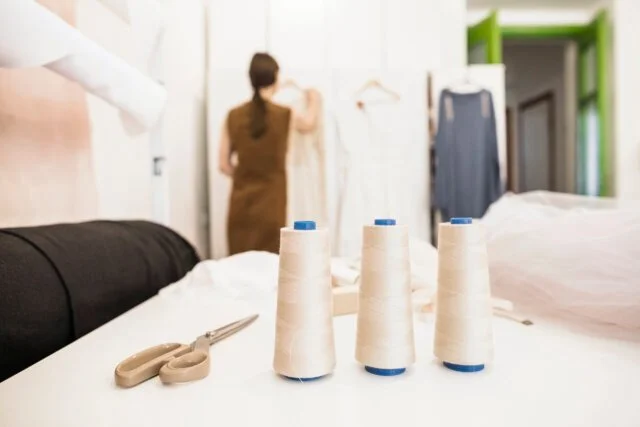
If you have ever touched a soft, cotton-like fabric that somehow resists wrinkles and never seems to shrink, you have likely felt spun polyester. This versatile material sits behind everyday garments, hotel napkins, factory uniforms, and much more. Yet most guides only scratch the surface, focusing on one narrow use. This guide goes deeper. We will explore what the fabric is, how manufacturers make it, why it performs so well, and where it fits across the entire textile industry. By the end, you will know exactly how to choose the right material for your next project.
What Is Spun Polyester?
It is a synthetic fabric made by twisting short polyester fibers, called staple fiber, into yarn. This process mimics the way cotton is spun, which gives the finished material a soft, matte hand feel rather than the slick, shiny surface of standard polyester.
To understand it fully, picture two paths. Manufacturers can leave polyester as long, continuous strands, known as filament. Or they can cut those strands into short pieces and spin them together. The second path produces the staple yarn, and that yarn becomes the foundation of countless fabrics.
Because it is built from a true synthetic base, the material keeps the toughness of plastic-based fibers. However, the spinning step adds comfort and a natural look. As a result, you get the best of both worlds: cotton’s coziness and polyester’s strength.
You will often see it labeled as “100% spun polyester” or “spun poly.” Sometimes it appears as a blend with cotton or other fibers. Either way, the spinning method defines its character.
How It Is Made
The manufacturing process turns raw polyester into soft, usable yarn through several clear steps. Let’s walk through each one.
- Fiber production. First, manufacturers create polyester fiber by melting polymer chips and extruding them through tiny holes. This produces long filaments.
- Staple fiber cutting. Next, machines cut those filaments into short, uniform lengths. These cut pieces become staple fiber, the building block of spun yarn.
- Carding. Then, the staple fibers pass through carding machines. This step untangles them and aligns them into a thin, web-like sheet called a sliver.
- Drawing and roving. After carding, the sliver is stretched and twisted slightly to add strength and consistency.
- Spinning. Finally, the fibers are spun into yarn. Manufacturers usually pick one of two methods:
- Ring spinning. This older technique produces ring-spun yarn, prized for its smoothness and strength. It twists fibers tightly for a refined finish.
- Open-end spinning. This faster, lower-cost method creates slightly coarser yarn. It works well for high-volume products.
Once the yarn is ready, it gets woven or knitted into fabric. Woven versions offer structure and durability, while knitted versions add stretch and softness. Manufacturers may also produce spun poly thread for sewing, which carries the same cotton-like finish into stitching.
Key Benefits of Spun Polyester
This fabric earns its popularity through a strong mix of practical advantages. Here are the standout benefits.
- Soft hand feel. The spinning process gives the fabric a gentle, cotton-like texture that feels pleasant against the skin.
- Durability. Polyester fibers resist tearing and abrasion, so the material holds up through heavy use and repeated washing.
- Wrinkle resistance. Unlike cotton, this wrinkle-resistant fabric bounces back quickly, which means less ironing and a crisp look.
- Shrink resistance. The fibers stay stable in hot water and dryers, so garments and linens keep their shape and size.
- Colorfastness. Polyester holds dye exceptionally well. Colors stay vivid even after dozens of wash cycles.
- Moisture management. Many versions act as a moisture-wicking fabric, pulling sweat away from the body and drying fast.
- Cost-effectiveness. It delivers a premium, natural look at a lower price than pure cotton or specialty fibers.
Together, these qualities explain why designers and manufacturers reach for it again and again.
Spun Polyester vs. Filament Polyester
People often confuse these two, yet they differ in important ways. The distinction comes down to fiber length and how the yarn is built.
Feature | Spun Polyester | Filament Polyester |
|---|---|---|
Fiber type | Short staple fibers twisted together | Long, continuous strands |
Surface | Soft, matte, cotton-like | Smooth, often shiny |
Hand feel | Warm and natural | Slick and synthetic |
Strength | Strong, slightly less than filament | Very strong |
Best for | Apparel, linens, comfort-focused items | High-stress, high-durability items |
In short, the staple version wins on comfort and appearance. Filament wins on raw strength. Some products even combine both, using filament in one direction and staple yarn in the other for balanced performance.
Spun Polyester vs. Cotton
Cotton remains the classic natural fiber, but the synthetic option offers a compelling alternative. Here is how they stack up.
- Comfort. Cotton feels breathable and soft. The synthetic comes close, though pure cotton still edges ahead in pure airflow.
- Durability. The synthetic clearly wins. It lasts longer and resists wear better than cotton.
- Maintenance. It resists wrinkles and shrinking, while cotton tends to crease and shrink over time.
- Color retention. The synthetic holds dye far better, so it fades less.
- Cost. It usually costs less and stays stable through commercial laundering.
- Lint. Cotton sheds lint, while the synthetic stays cleaner and smoother.
For buyers who want a natural look without cotton’s upkeep, the synthetic option often makes the smarter choice.

Common Applications in the Textile Industry
This fabric reaches far beyond table linens and aprons. Its blend of comfort and toughness makes it useful across many sectors. Let’s break down the major categories.
Apparel
Clothing brands love it for its soft feel and easy care. You will find it in:
- T-shirts and casual tops
- Activewear that uses its moisture-wicking properties
- Uniforms and workwear that need durability
- Dresses and blouses with a cotton-like drape
Because it resists wrinkles, travelers and busy professionals especially appreciate it.
Home Textiles & Linens
In the home, the fabric adds comfort and longevity. Common items include:
- Bed sheets and pillowcases
- Curtains and drapes
- Decorative cushions
- Tablecloths and napkins
Its colorfastness keeps home goods looking fresh wash after wash.
Hospitality & Commercial
Hotels, restaurants, and event companies rely on it because it survives high-volume laundering. Typical uses include:
- Banquet tablecloths and napkins
- Restaurant uniforms and aprons
- Hotel bedding and bath linens
- Stage skirting and event drapery
The fabric’s stain resistance and shape retention make it ideal for daily commercial demands.
Industrial & Technical Uses
The material also serves tougher, technical roles. Examples include:
- Filtration fabrics
- Industrial wipes and cloths
- Protective workwear
- Specialty spun poly thread for heavy-duty sewing
These applications take advantage of the fiber’s strength and chemical resistance.
How to Choose the Right Fabric
Picking the best option depends on your goals. Keep these factors in mind before you buy.
- Weight. Lighter fabrics suit apparel and drapes, while heavier weights work for commercial linens and uniforms.
- Spinning method. Choose ring-spun yarn for a smoother, more premium finish. Pick open-end yarn for budget-friendly, high-volume needs.
- Weave or knit. Woven fabric offers structure, while knits add stretch and softness.
- Finish. Look for added treatments like soil release, wrinkle resistance, or moisture-wicking depending on your use.
- Color range. If branding matters, confirm the supplier stocks the shades you need.
- Width and quantity. Match the fabric width and roll size to your production scale.
When you weigh these points together, you will land on the right material for your project.
This fabric combines the comfort of cotton with the strength of synthetic fibers, making it one of the most versatile materials in the textile world. Whether you need apparel, linens, or industrial fabrics, the right choice starts with the right supplier. Browse our full range of spun polyester fabrics at textilelisting.com and connect with trusted suppliers today.
FAQ Section:
What is spun polyester used for?
Spun polyester is used in apparel, home textiles, sewing threads, and industrial fabrics. Common applications include T-shirts, uniforms, bed linens, curtains, upholstery, and filter fabrics due to its durability, wrinkle resistance, and easy-care properties.
Is spun polyester better than cotton?
Spun polyester is more durable, wrinkle-resistant, and quick-drying than cotton. However, cotton offers better breathability and moisture absorption. In many applications, spun polyester is blended with cotton to combine comfort with strength and easy maintenance.
What is the difference between spun polyester and filament polyester?
Spun polyester is made from short staple fibers spun into yarn, giving it a soft, cotton-like feel. Filament polyester consists of continuous fibers, resulting in a smoother, shinier, and stronger yarn commonly used in performance and technical textiles.
Is spun polyester suitable for sewing thread?
Yes, spun polyester is widely used for sewing threads because of its high tensile strength, abrasion resistance, and compatibility with high-speed sewing machines. It outperforms cotton thread in durability and resistance to repeated washing.
Is spun polyester environmentally friendly?
Traditional spun polyester is petroleum-based and non-biodegradable. However, recycled spun polyester made from plastic bottles significantly reduces environmental impact by conserving energy and reducing plastic waste, making it a more sustainable alternative.

Meena Ansari is the co-founder and business partner at M/s Tex Aux Chemicals. A passionate writer at heart, she brings a deep curiosity and love for learning to every aspect of the textile industry. With a keen interest in exploring innovations and sharing insights, Meena combines her entrepreneurial experience with a flair for storytelling to educate and inspire readers across the textile community.
- Meena Ansari
- Meena Ansari
- Meena Ansari
- Meena Ansari
- Meena Ansari
- Meena Ansari
- Meena Ansari
- Meena Ansari
- Meena Ansari
- Meena Ansari
- Meena Ansari
- Meena Ansari
- Meena Ansari
- Meena Ansari
- Meena Ansari
- Meena Ansari