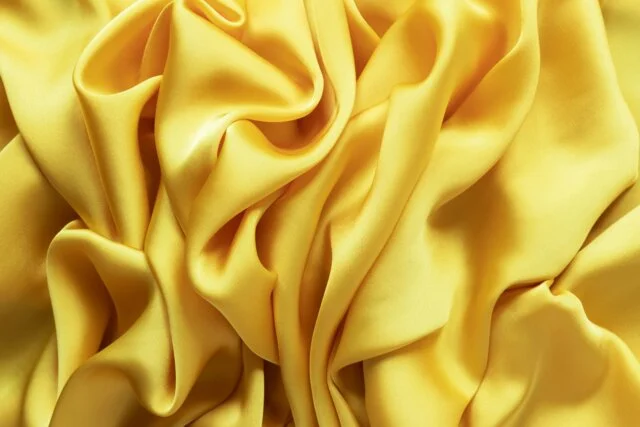
Imagine a fabric so fine it feels like air, yet drapes with the glow of pure silk. That is the magic of Muslin Silk fabric! For centuries, this delicate weave has captured the hearts of royalty, designers, and dreamers alike. Today, it remains one of the most sought-after premium textiles in the world.
In this guide, you will learn where silk muslin comes from, what makes it special, and how to use it. You will also discover the different types, the careful manufacturing process, and simple care tips. By the end, you’ll know exactly why this fabric deserves a spot in your collection. Let’s dive in!
History & Origins of Muslin Silk Fabric
The story of muslin is as rich as the fabric itself. To truly appreciate silk muslin, you need to know where it began.
Ancient Roots in Bengal
Muslin first appeared in the ancient region of Bengal, which today covers Bangladesh and parts of West Bengal, India. Skilled artisans there wove cotton so fine that legend says six yards could pass through a single ring! The humid climate actually helped, because moisture made the delicate fibers easier to spin and weave.
How Muslin Got Its Name
Interestingly, historians still debate the origin of the word “muslin.” Some believe it came from the city of Mosul, Iraq, where European traders first encountered the cloth. Others trace it directly to Bengal. Either way, the fabric quickly became a treasured item in global trade.
From Cotton to Silk
Originally, muslin was woven from cotton. Over time, however, weavers began blending or replacing cotton with silk to create an even more luxurious version. This shift gave birth to the elegant Muslin Silk fabric we celebrate today, prized for its sheen and refined drape.
What Makes Silk Muslin Unique
So, what sets silk muslin apart from ordinary muslin? The answer lies in its blend of delicacy and luxury.
While cotton muslin feels soft and breathable, silk muslin adds a gentle shimmer and an even smoother hand. As a result, it sits in a category of its own. It combines the airy, lightweight quality of traditional muslin with the elegance of pure silk.
Here is what makes pure muslin silk truly special:
- Soft sheen: The silk content gives the fabric a subtle, luminous glow.
- Featherweight feel: It stays light and breezy, perfect for flowing garments.
- Elegant drape: The fabric falls beautifully, making it ideal for couture.
- Smooth texture: It glides against the skin without irritation.
Because of these qualities, designers reach for silk muslin when they want both comfort and sophistication in a single textile.
Types of Muslin Silk Fabric
Not all silk muslin is the same. In fact, several varieties exist, each suited to different projects. Let’s explore the most popular options.
Pure Silk Muslin
This is the most luxurious type. Made entirely from silk fibers, it offers the richest sheen and the softest feel. Consequently, it works wonderfully for high-end evening gowns and bridal wear.
Silk-Cotton Blend Muslin
This blend combines the best of both worlds. The cotton adds breathability and affordability, while the silk brings shine and drape. Therefore, it’s a smart choice for everyday luxury garments.
Dyeable Muslin Silk
Many crafters love dyeable pure muslin silk because it accepts color so well. You can create custom shades for scarves, curtains, or bespoke clothing. Plus, it takes block prints and embroidery beautifully.
Indian Muslin Silk Fabric
Indian muslin silk fabric stands out for its traditional craftsmanship. Often featuring hand block prints, embroidery, or sequin work, it remains a favorite for festive and traditional wear. In particular, muslin silk for sarees has become hugely popular thanks to its lightweight comfort and graceful flow.
Manufacturing Process: From Fiber to Fabric
Ever wondered how this exquisite textile comes to life? The process is both careful and fascinating.
Step 1: Harvesting the Fibers
First, silk fibers are gathered from silkworm cocoons, while cotton (in blends) is harvested from the plant. Both fibers are then cleaned and sorted to ensure top quality.
Step 2: Spinning the Yarn
Next, the fibers are spun into incredibly fine yarn. This step matters most, because the finer the yarn, the more delicate and luxurious the final fabric.
Step 3: Plain Weaving
After spinning, weavers use a plain weave technique. This means the threads cross over and under in a simple, balanced pattern. As a result, the fabric stays lightweight yet surprisingly durable.
Step 4: Finishing Touches
Finally, the fabric is finished to enhance softness and sheen. At this stage, it may also be dyed, printed, or embroidered. Each finishing choice transforms the plain weave into a stunning piece ready for the runway or your sewing table. To learn more about traditional weaving heritage, see
Benefits & Properties of Muslin Silk Fabric
Why do so many designers and crafters adore this textile? Quite simply, it offers a remarkable mix of beauty and function.
Lightweight and Breathable
First and foremost, silk muslin keeps you cool. Its open weave allows air to circulate freely, which makes it perfect for warm climates and summer collections.
Luxurious Drape
Thanks to the silk content, the fabric flows with effortless grace. Whether you sew a maxi dress or a flowing scarf, the drape adds instant elegance.
Gentle on Skin
Because the texture stays so smooth, silk muslin feels wonderful against sensitive skin. This makes it a top pick for blouses, sleepwear, and delicate garments.
Versatile and Dyeable
Moreover, the fabric welcomes color and design. It accepts dyes, prints, and embellishments with ease, giving creators endless freedom.
To summarize, here are the standout benefits:
- Cool and breathable for all-day comfort
- Beautiful, fluid drape for elegant designs
- Soft texture that’s gentle on skin
- Easy to dye, print, and embellish
Uses & Applications
Now for the fun part—what can you actually make with silk muslin? The possibilities are wonderfully wide!
Fashion and Couture
In high fashion, designers use lightweight silk muslin dressmaking techniques to craft flowing evening gowns, layered ruffles, and elegant blouses. The fabric’s drape makes every piece look effortlessly chic.
Traditional Wear
As mentioned earlier, muslin silk for sarees is a true showstopper. The fabric’s airy feel keeps the wearer comfortable, while its sheen adds a festive glow. It also shines in kurtas, dupattas, and bridal ensembles.
Scarves and Accessories
Because it’s so light, silk muslin makes gorgeous scarves, shawls, and wraps. These accessories add texture and color to any outfit. You can browse our [Internal Link 1] for inspiration.
Home Décor
Beyond fashion, silk muslin works beautifully for sheer curtains, decorative drapes, and elegant table accents. It brings a soft, luxurious touch to any room.
Crafting and DIY
Finally, crafters love using silk muslin fabric by the yard for custom projects. From hand-dyed creations to bespoke garments, this textile invites creativity. Explore our full range at [Internal Link 2].
Care Instructions: Keep Your Silk Muslin Beautiful
Want your fabric to stay stunning for years? With a little care, you can easily preserve its softness and shine. Here’s how!
Washing Tips
Always hand wash silk muslin in cool water with a mild detergent. Avoid bleach and harsh chemicals, since they can weaken the delicate fibers. If you prefer a machine, use the gentle cycle and place the fabric in a mesh bag for extra protection.
Drying Tips
Never tumble dry your silk muslin! Instead, lay it flat or hang it to air dry away from direct sunlight. This simple step prevents shrinkage and keeps the colors vibrant.
Ironing Tips
When ironing, use a low heat setting and press on the reverse side. For best results, place a thin cloth between the iron and the fabric. This protects the sheen and avoids accidental shine marks.
Storage Tips
Lastly, store your fabric in a cool, dry place. Keep it away from moisture and direct light to prevent fading. A breathable cotton bag works perfectly for long-term storage.
FAQ:
What is muslin silk?
Muslin silk is a delicate fabric blending the sheer, airy weave of classic muslin with fine silk yarns. It combines translucence, softness, and a gentle sheen—offering a unique drape and elegance compared to plain muslin or standard silk.
How is muslin silk different from regular silk or cotton muslin?
Unlike plain silk (dense, lustrous) or cotton muslin (matte, breathable), muslin silk strikes a balance: it’s lighter and more transparent than standard silk, yet more shimmering and luxurious than cotton muslin. The hybrid weave gives it both softness and subtle glow.
Can you make a saree from muslin silk?
Yes—many artisans weave pure muslin silk sarees. These sarees are extraordinarily light, often semi-transparent, and drape like a whisper. They require high craftsmanship and use ultra-fine yarns, making them precious and delicate pieces in luxury ethnic wear.
How should I care for muslin silk garments?
Handle muslin silk very gently: hand-wash in cold water with mild detergent, avoid wringing, air dry in shade, iron on low heat (silk setting) using a soft cloth as buffer, and store folded with tissue to prevent creases or snags.

Meena Ansari is the co-founder and business partner at M/s Tex Aux Chemicals. A passionate writer at heart, she brings a deep curiosity and love for learning to every aspect of the textile industry. With a keen interest in exploring innovations and sharing insights, Meena combines her entrepreneurial experience with a flair for storytelling to educate and inspire readers across the textile community.
- Meena Ansari
- Meena Ansari
- Meena Ansari
- Meena Ansari
- Meena Ansari
- Meena Ansari
- Meena Ansari
- Meena Ansari
- Meena Ansari
- Meena Ansari
- Meena Ansari
- Meena Ansari
- Meena Ansari
- Meena Ansari
- Meena Ansari
- Meena Ansari