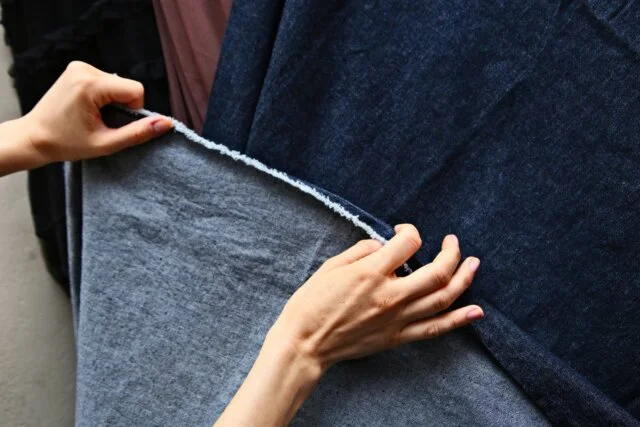
Cotton lycra fabric is a knit blend of cotton and Lycra (spandex) that combines natural breathability with excellent stretch and shape retention. Available in blends ranging from 93/7 to 97/3, and weights between 140–280 GSM, this material suits everything from everyday T-shirts to high-performance activewear.
Cotton lycra fabric is one of the most widely used materials in the modern textile industry—and for good reason! Soft, stretchy, and surprisingly durable, it shows up in everything from gym leggings to baby rompers. If you work in fashion design, garment manufacturing, or fabric retail, understanding this blend can genuinely transform the way you source and spec your products. In this guide, we break down its key properties, most common applications, and exactly what buyers should look for when sourcing it.
What Is Cotton Lycra Fabric?
Cotton lycra is a knit textile made from a blend of cotton and Lycra—a trademarked brand name for spandex or elastane. The cotton component delivers softness, breathability, and a natural feel against the skin. The Lycra component adds stretch, elasticity, and shape recovery.
You may also see it listed as cotton spandex fabric or cotton elastane fabric. These terms all refer to the same type of material. In the United States, “spandex” is the more common generic term. In Europe and Australia, “Lycra” and “elastane” are used more frequently.
The result of this blend is a material that feels gentle and comfortable like 100% cotton—but holds its shape far better and moves freely with the body. That combination has made it one of the most versatile textiles available to designers and manufacturers today.
Key Properties of Cotton Lycra Fabric
How Does the Fabric Stretch? (2-Way vs. 4-Way)
One of the most important things to understand is its stretch direction. Depending on the construction and blend, it offers either 2-way or 4-way stretch.
- 2-way stretch allows the fabric to stretch in one direction—typically across the width of the fabric.
- 4-way stretch allows the fabric to stretch both horizontally and vertically, making it ideal for garments that require full freedom of movement.
Higher Lycra content generally produces a stronger 4-way stretch. For garments like leggings, swimwear, and fitted activewear, 4-way stretch is the preferred choice. For looser, more relaxed styles, a 2-way fabric often works just as well.
Why Is It So Comfortable to Wear?
The breathability of this blend comes almost entirely from the cotton component. Cotton is a natural fiber that allows air to circulate and wicks moisture away from the skin. This makes the garments comfortable to wear for extended periods—whether you’re working out, running errands, or sitting through a long workday.
Because the material is also hypoallergenic and gentle on sensitive skin, it’s a popular choice for baby clothing, innerwear, and maternity wear. Many cotton lycra fabrics also carry OEKO-TEX Standard 100 certification, which confirms they are free from harmful substances.
Is It Durable and Easy to Maintain?
Yes—and this is one of the reasons buyers keep coming back to it! Unlike 100% cotton, this blend does not easily lose its shape after repeated washing and wearing. The Lycra fibers help the fabric snap back to its original form, which extends the lifespan of the garment significantly.
It’s also relatively easy to care for. It doesn’t require special dry cleaning or complex maintenance, which is a big plus for both end consumers and manufacturers who want to produce low-maintenance clothing.
Common Uses of Cotton Lycra Fabric in the Textile Industry
A Natural Fit for Activewear and Sportswear
The 4-way stretch makes this material a natural fit for activewear. Yoga pants, cycling shorts, gym tops, and athletic leggings all benefit from a fabric that moves with the body rather than restricting it. Medium to heavyweight options (180–260 GSM) are typically used for these applications, as they offer the opacity and structure that sportswear requires.
Compared to purely synthetic stretch fabrics, cotton lycra feels softer against the skin during high-movement activities. That’s a key reason many athletic apparel brands prefer it over polyester-spandex blends for next-to-skin garments.
Casual and Everyday Garments
This is arguably where the fabric shines the most. T-shirts, dresses, skirts, casual tops, and loungewear all benefit from the comfort and flexibility it provides.
A medium-weight option at around 180–200 GSM hits the sweet spot for most everyday garments—lightweight enough to feel comfortable, substantial enough to drape and hold its shape. Fashion designers frequently use it for fitted jersey styles because it conforms beautifully to the body without feeling restrictive.
A Top Choice for Undergarments and Intimate Apparel
Undergarments and intimate apparel demand a fabric that is soft, stretchy, and skin-safe. This blend checks all three boxes. Its breathability reduces irritation, while the Lycra content allows the garment to stretch and recover with every movement.
Lighter-weight options in the 140–180 GSM range are commonly used for bras, underwear, and shapewear. The fabric molds to the body comfortably without bunching or shifting—an important quality for intimate apparel.
Why Buyers Keep Coming Back
Built to Span Many Different Garment Types
Few fabrics can span as many product categories as this one. A single supplier can provide stock that works for baby clothing, T-shirts, leggings, sportswear, and maternity wear—all from the same base fabric, simply adjusted by GSM and blend ratio.
For fabric retailers, this versatility means lower inventory complexity. Stocking a well-curated range of weights and blends can serve a wide variety of customer needs without requiring dozens of different fabric types.
For garment manufacturers, it simplifies production. The same cutting and sewing techniques apply across categories, which reduces setup time and training requirements on the factory floor.
Strong Cost-Effectiveness and Long-Term Value
Absolutely! This blend sits in the mid-price range for stretch fabrics, making it accessible to small brands and large manufacturers alike. Its durability means garments last longer—reducing returns and replacement costs for both brands and consumers.
When purchased wholesale (50 yards or more), the per-yard cost drops significantly, making it even more cost-efficient for manufacturers sourcing at volume. For retail buyers purchasing smaller quantities, the price per yard is higher, but the quality and performance still justify the investment.

Understanding Cotton Lycra Fabric Blends and Weights
Comparing the 95/5, 97/3, and 93/7 Blends
The blend ratio is one of the most critical decisions when sourcing. Here’s how the three most common blends compare:
Blend Ratio | Cotton | Lycra | Best For |
|---|---|---|---|
97/3 | 97% | 3% | Lighter stretch; looser-fitting garments, casual tops |
95/5 | 95% | 5% | Soft, stretchy, durable; ideal for most apparel |
93/7 | 93% | 7% | Extra stretch and recovery; performance activewear, fitted leggings |
Choosing the Right GSM for Each Application
GSM—grams per square meter—measures the weight and thickness of a fabric. Choosing the right GSM is just as important as choosing the right blend ratio.
Fabric Weight | GSM Range | Stretch Type | Best Applications |
|---|---|---|---|
Lightweight | 140–180 GSM | 2-way or light 4-way | Baby clothing, summer tops, innerwear |
Medium Weight | 180–220 GSM | 4-way stretch | T-shirts, leggings, dresses, athleisure |
Heavyweight | 220–280 GSM | High 4-way stretch | Hoodies, joggers, maternity wear, winter clothing |
- Leggings: 200–240 GSM
- T-shirts: 180–200 GSM
- Children’s clothing: 160–200 GSM
- Yoga and activewear: 200–260 GSM
- Opaque gym wear: 200 GSM minimum
One important tip for buyers: if you need opaque leggings that won’t become see-through during wear, avoid anything below 200 GSM. This is a common sourcing mistake that leads to quality complaints down the line.
How to Care for Cotton Lycra Fabric Garments
Proper care keeps these garments looking and performing their best. Here’s what manufacturers, retailers, and end consumers should know:
Washing:
- Wash in cold or lukewarm water
- Use a mild detergent and avoid bleach
- Turn garments inside out before washing to protect prints and colors
Drying: - Air dry flat or hang to dry
- Avoid tumble drying at high heat—this can break down the Lycra fibers and reduce elasticity over time
Ironing: - Iron at a low temperature setting
- Never apply direct high heat to printed designs
- Do not wring or stretch the fabric while wet
Pro tip for manufacturers: Include care label instructions that specifically warn against high-heat drying. This is the most common reason these garments lose their stretch prematurely—and it’s entirely preventable with clear labeling.
FAQ's
What is cotton lycra fabric used for?
Cotton lycra fabric is widely used for T-shirts, leggings, activewear, innerwear, dresses, kidswear, and stretch denim. Its combination of comfort and elasticity makes it ideal for body-fitting and movement-friendly garments.
Is cotton lycra fabric breathable?
Yes, cotton lycra fabric is breathable due to its high cotton content. Cotton allows air circulation and absorbs moisture, while lycra adds stretch without significantly reducing comfort, making the fabric suitable for daily wear and warm climates.
Does cotton lycra shrink after washing?
Cotton lycra fabric may show slight shrinkage if washed in hot water or dried at high temperatures. Washing in cold water and air drying helps maintain fabric size, elasticity, and overall garment shape.
Is cotton lycra better than 100% cotton?
Cotton lycra is better than 100% cotton when stretch, flexibility, and shape retention are required. However, pure cotton offers higher breathability and biodegradability, making each fabric suitable for different apparel applications.

Meena Ansari is the co-founder and business partner at M/s Tex Aux Chemicals. A passionate writer at heart, she brings a deep curiosity and love for learning to every aspect of the textile industry. With a keen interest in exploring innovations and sharing insights, Meena combines her entrepreneurial experience with a flair for storytelling to educate and inspire readers across the textile community.
- Meena Ansari
- Meena Ansari
- Meena Ansari
- Meena Ansari
- Meena Ansari
- Meena Ansari
- Meena Ansari
- Meena Ansari
- Meena Ansari
- Meena Ansari
- Meena Ansari
- Meena Ansari
- Meena Ansari
- Meena Ansari
- Meena Ansari
- Meena Ansari