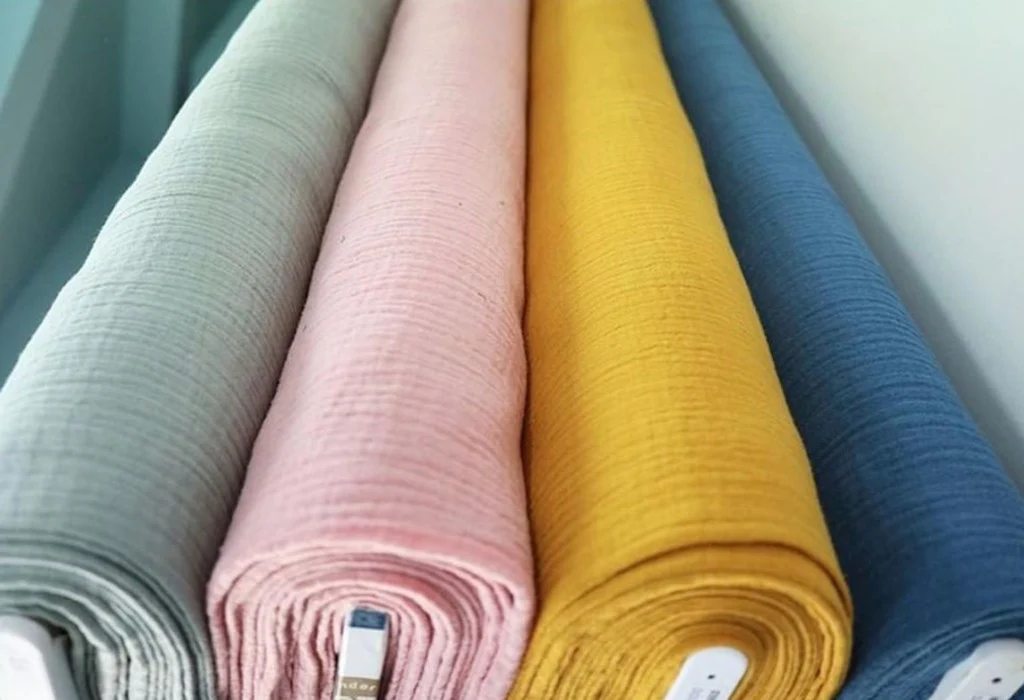
Have you ever touched a fabric so soft and airy that it felt like wearing a cloud? That’s the magic of cotton gauze fabric! This lightweight, breathable material has become a favorite among home sewists, fashion designers, and crafters alike. And honestly, once you start working with it, it’s hard to stop.
In this guide, you’ll learn exactly what cotton gauze is, how it’s made, and where it shines. We’ll also cover practical sewing tips, simple care steps, and answers to the questions people ask most. By the end, you’ll feel confident enough to pick up a few yards and start your next project!
What Is Cotton Gauze Fabric?
Cotton gauze is a soft, lightly woven fabric made from natural cotton fibers. It uses an open plain weave, which means the threads sit loosely together rather than packed tightly. As a result, you get a breezy, slightly sheer material that feels gentle against the skin.
Because of this open structure, cotton gauze breathes beautifully. That’s why it works so well in warm weather and for sensitive skin. Plus, it has a charming, natural crinkle texture that gives finished pieces a relaxed, lived-in look.
You’ll often spot it in three forms:
- Single gauze: One thin, airy layer. Light and slightly see-through.
- Double gauze fabric: Two layers basted together for more body and softness.
- Triple gauze: Three layers for extra warmth and structure.
Remember this: the more layers, the cozier and less transparent the fabric becomes.
How Cotton Gauze Fabric Is Made
The manufacturing process is surprisingly simple, yet clever. First, manufacturers weave thin cotton threads using an open plain weave. This creates that signature lightweight feel.
For double gauze fabric, two of these single layers get stitched together at regular intervals — usually about every 3/8 of an inch. These tiny, almost invisible stitches trap a little air between the layers. That trapped air is what makes the fabric feel so soft and squishy.
After weaving, the fabric goes through a finishing process that often brings out its natural crinkle. Many makers love this texture and choose to keep it. Others press it flat for a smoother look. Either way, the choice is yours!
Common Cotton Gauze Uses
One reason this fabric stays so popular is its versatility. Let’s explore the most common cotton gauze uses across different categories.
Apparel and Clothing
Cotton gauze is a dream for comfortable, breezy clothing. Its soft drape suits relaxed, easy-fitting styles perfectly. Think flowy and forgiving rather than tight and structured.
Popular garment ideas include:
- Flowy summer dresses and maxi skirts
- Lightweight blouses and tunics
- Cozy pajamas and loungewear
- Children’s clothing and baby outfits
- Swaddle blankets for newborns
Because it’s so gentle, parents especially love it for little ones.
Home Textiles
Beyond clothing, cotton gauze adds a soft, airy touch to home decor. It filters light beautifully, which makes it ideal for breezy interiors.
Try using it for:
- Sheer curtains that let in gentle light
- Table runners and napkins
- Light throw blankets
- Decorative pillow covers
Medical and Practical Uses
Historically, gauze earned its name from medical applications. Its open weave and absorbency make it useful for bandages, wound dressings, and cleaning cloths. While crafting gauze differs slightly from medical-grade versions, the breathable quality remains the same.
Key takeaway: from fashion to home to first aid, cotton gauze adapts to nearly any project.

Sewing With Cotton Gauze: Expert Tips
Now for the fun part! Sewing with cotton gauze does take a little patience, but the results are worth it. Since the weave is open and delicate, follow these tips to avoid common headaches.
Before You Cut
First, always pre-wash your fabric. Cotton gauze tends to shrink in the first wash, so washing it beforehand saves you from a too-small garment later. After washing, lay it flat to dry.
Next, when cutting, use a sharp rotary cutter to prevent snags. Hold the fabric in place with fine pins or pattern weights. If you do use pins, keep them inside the seam allowance so you don’t leave visible holes.
Setting Up Your Machine
Getting your machine ready makes a huge difference. Here’s a quick checklist:
- Needle: Use a fresh, sharp 70/10 or 80/12 needle to prevent snagging.
- Thread: Both polyester and cotton threads work well.
- Stitch length: Lengthen it slightly to around 2.8–3mm.
- Walking foot: Attach one to feed both layers evenly and avoid rippled seams.
- Presser foot pressure: Lower it slightly so you don’t crush the soft texture.
Finishing Your Seams
Cotton gauze frays easily, so a strong seam finish keeps your project durable. You have a few great options:
- Serger or overlocker: A three- or four-thread finish works wonderfully.
- French seams: These hide raw edges and look especially neat on lighter fabrics.
- Zigzag stitch: No serger? A tight zigzag on a regular machine does the job nicely.
One quick tip: start sewing a little way in from the raw edge. Otherwise, the open weave can get pulled into the machine. Trust me, this small habit saves a lot of frustration!
How to Care for Gauze Fabric
Caring for your finished pieces is easy once you know the basics. Follow these simple steps to keep your fabric looking great for years.
- Wash cold: Machine wash on a cold, gentle cycle to protect the fibers.
- Dry flat: Lay the fabric flat or hang it to dry. This reduces excess wrinkling.
- Steam gently: Press with a steam iron on the cotton setting if needed.
- Keep the crinkle: Avoid flattening the natural texture completely — that crinkle is part of its charm!
If you love the relaxed, slightly crumpled look, you can skip heavy ironing altogether. Many people prefer the effortless vibe it gives.
Common Mistake to Avoid
Here’s a mistake beginners often make: pressing out all the crinkle before cutting. While it might feel tempting to smooth everything flat, doing so can stretch the fabric and throw off your measurements. The result? A finished garment that doesn’t fit quite right.
Instead, decide early how much texture you want, then handle the fabric consistently from start to finish.
FAQ's
What is cotton gauze fabric used for?
Cotton gauze fabric is used in apparel, baby products, medical dressings, and home textiles. Its breathable and soft structure makes it ideal for summer clothing, swaddles, bandages, quilts, and lightweight curtains where comfort and airflow are essential.
Is cotton gauze fabric suitable for baby clothing?
Yes, cotton gauze fabric is widely used for baby clothing and accessories. It is soft, lightweight, breathable, and gentle on sensitive skin. Double gauze cotton is especially preferred for baby blankets, swaddles, and infant garments due to better coverage and comfort.
Does cotton gauze fabric shrink after washing?
Cotton gauze fabric can shrink if it is not pre-washed or pre-shrunk during manufacturing. Washing in cold water and air drying helps reduce shrinkage. For garment production, pre-treated cotton gauze fabric is recommended to maintain size and shape.
What is the difference between single gauze and double gauze fabric?
Single gauze fabric consists of one lightweight layer and is more transparent. Double gauze fabric has two layers lightly bonded together, offering better opacity, softness, and durability, making it more suitable for clothing, baby products, and home textiles.

Meena Ansari is the co-founder and business partner at M/s Tex Aux Chemicals. A passionate writer at heart, she brings a deep curiosity and love for learning to every aspect of the textile industry. With a keen interest in exploring innovations and sharing insights, Meena combines her entrepreneurial experience with a flair for storytelling to educate and inspire readers across the textile community.
- Meena Ansari
- Meena Ansari
- Meena Ansari
- Meena Ansari
- Meena Ansari
- Meena Ansari
- Meena Ansari
- Meena Ansari
- Meena Ansari
- Meena Ansari
- Meena Ansari
- Meena Ansari
- Meena Ansari
- Meena Ansari
- Meena Ansari
- Meena Ansari