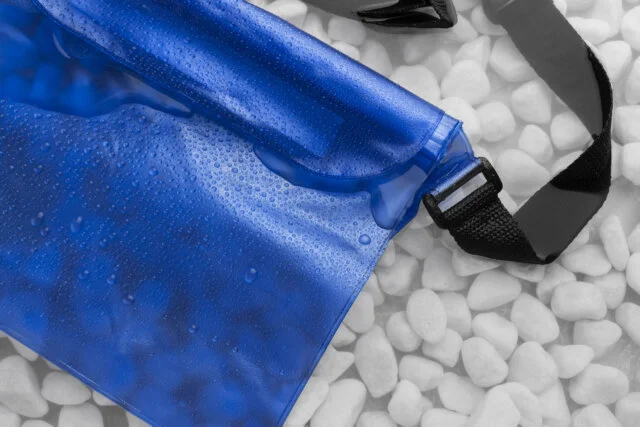
If you’ve ever wondered “is polyester waterproof?” before buying a rain jacket, tent, or patio cushion, you’re not alone. The short answer is no—polyester is naturally water-resistant, but it is not waterproof on its own. However, that’s only part of the story. With the right coatings and treatments, polyester can become a powerful barrier against rain, snow, and spray. In this guide, you’ll learn the science behind polyester’s water resistance, how manufacturers boost it, how it stacks up against nylon, and how to keep your gear performing for years. Let’s break it all down.
Water-Resistant vs. Water-Repellent vs. Waterproof
These three terms get tossed around as if they mean the same thing. They don’t. Understanding the difference helps you choose the right fabric and avoid disappointment.
Water-Resistant
Water-resistant fabrics slow water down, but they don’t stop it completely. They handle light rain or a quick splash well. However, under heavy rain or prolonged exposure, water eventually seeps through. Untreated polyester falls into this category.
Water-Repellent
Water-repellent fabrics take things a step further. Thanks to a surface treatment, water beads up and rolls off instead of soaking in. Still, repellent finishes have limits. After heavy pressure or extended soaking, moisture can still find its way in.
Waterproof
Waterproof fabrics block water entirely, even in harsh conditions. To earn this label, a fabric usually needs a laminate or heavy coating that seals the gaps between fibers. True waterproofing keeps you dry in a downpour, not just a drizzle.
Hydrostatic Head: The Measurement That Matters
So how do you measure waterproofing objectively? Manufacturers use the hydrostatic head rating. This test measures how much water pressure a fabric can withstand before leaking, expressed in millimeters (mm).
- 0–1,500 mm: Water-resistant; fine for light showers
- 1,500–5,000 mm: Suitable for moderate rain
- 5,000–10,000 mm: Handles steady rain and wind
- 10,000 mm and above: Considered fully waterproof for heavy weather
A higher number means a denser, more reliable barrier. When you shop for serious rain gear, look for this rating instead of vague marketing claims.
How Polyester Is Made and Why It Repels Water
To understand polyester’s water resistance, you need to look at how it’s built. Polyester is a synthetic fiber created from petroleum-based chemicals. Manufacturers melt polyethylene terephthalate (PET) and force it through tiny spinnerets to form long, continuous strands. These strands are then spun into yarn and woven or knitted into fabric.
The Hydrophobic Advantage
Here’s where polyester gets interesting. Its molecules are hydrophobic, which means they naturally push water away. Unlike cotton or wool, polyester fibers don’t absorb moisture into their core. Instead, water clings to the surface and forms beads.
Because of this molecular structure, polyester dries quickly and stays lightweight even after exposure to rain. This is exactly why it became a favorite for activewear and outdoor clothing.
Where Polyester Falls Short
Even though the fibers repel water, the fabric itself isn’t sealed. Tiny gaps exist between the woven threads. Over time, water pressure pushes through those gaps. So while the fibers resist soaking, the structure still lets water in eventually. That gap is exactly what coatings and laminates are designed to close.
Coatings and Treatments That Make Polyester Waterproof
Manufacturers use several methods to transform water-resistant polyester into a fully waterproof material. Each approach offers a different balance of durability, flexibility, and breathability.
DWR (Durable Water Repellent)
A DWR coating is a thin chemical layer applied to the fabric’s surface. It makes water bead up and roll off rather than soak in. DWR keeps the outer fabric from “wetting out,” which preserves breathability. However, it wears off with friction and washing, so it needs reapplication over time.
Polyurethane (PU) Laminates
PU laminates bond a thin polyurethane film to the back of the polyester. This film seals the gaps between fibers and blocks water from passing through. PU is lightweight, flexible, and breathable enough for jackets, tents, and backpacks. It strikes a strong balance for everyday outdoor use.
PVC Coatings
PVC coatings deliver heavy-duty, 100% waterproof protection. Because PVC is thick and tough, it’s ideal for tarps, industrial covers, and outdoor furniture. The trade-off? It’s stiff and not breathable, so it’s a poor choice for clothing you’ll wear for hours.
TPU Treatments
TPU (thermoplastic polyurethane) offers the best of both worlds. It stays flexible even in cold weather and resists abrasion exceptionally well. As a result, you’ll find TPU-coated polyester in premium jackets, rain pants, and rugged gear that needs to move with you.
Key point: The more aggressive the coating, the less breathable the fabric usually becomes. Choose based on whether comfort or maximum protection matters most.
Polyester vs. Nylon: Which Fabric Wins?
Polyester and nylon are the two most common synthetic fabrics, and they often compete for the same uses. Still, they behave very differently when wet. Here’s how they compare.
Property | Polyester | Nylon |
|---|---|---|
Moisture Absorption | Very low; dries fast | Higher; holds moisture longer |
Durability | Strong; resists fading and stretching | Stronger; superior abrasion resistance |
Breathability | More breathable | Denser, less breathable |
Cost | More affordable | Generally pricier |
Moisture Absorption
Polyester absorbs almost no water, so it dries quickly and stays light. Nylon, on the other hand, soaks up more moisture and takes longer to dry. For quick-drying performance, polyester clearly leads.
Durability and Strength
Nylon edges ahead in raw strength. Its fibers resist tearing and abrasion better, which is why you’ll see it in backpacks and climbing gear. Yet polyester resists UV damage and color fading more effectively, making it better for sun-exposed items.
Breathability and Cost
Polyester breathes better and costs less, which explains its popularity in everyday clothing and budget-friendly gear. Nylon’s higher price reflects its premium toughness. Ultimately, your choice depends on whether you prioritize quick drying and value or raw strength.
Practical Uses for Water-Resistant and Waterproof Polyester
Polyester’s versatility shows up across countless products. Here’s where it shines once treated for water resistance.
Outdoor Gear
Tents, backpacks, and tarps often rely on PU- or TPU-coated polyester. The fabric stays light, resists UV fading, and keeps your equipment dry through changing weather.
Raincoats and Jackets
Rain jackets typically combine a DWR finish with a PU or TPU laminate. This layering sheds water while still letting some sweat escape, so you stay dry inside and out.
Industrial Textiles
For demanding industrial jobs, PVC-coated polyester delivers rugged, fully waterproof performance. Think truck covers, awnings, and protective tarps that face constant exposure.
Activewear
In the gym, untreated polyester works as a moisture-wicking hero. It pulls sweat away from your skin and dries fast, keeping you cool and comfortable during workouts.
How to Maintain Polyester’s Water Resistance
Waterproof coatings don’t last forever. Fortunately, with proper care, you can extend their life significantly. Follow these steps to keep your gear performing.
- Wash gently. Use a mild, technical detergent. Harsh soaps strip away DWR and break down coatings faster.
- Skip the fabric softener. Softeners clog the fabric and ruin water-repellent finishes.
- Reapply DWR regularly. Products like spray-on or wash-in treatments restore beading once it fades.
- Dry with low heat. A gentle tumble dry can actually reactivate a DWR finish. Always check the care label first.
- Store it clean and dry. Dirt and moisture degrade coatings over time, so store gear in a dry spot.
If you’re struggling with gear that “wets out” quickly, try a fresh DWR application followed by a low-heat dry cycle. This simple routine often revives older jackets and tents.
Final Takeaways
So, is polyester waterproof? On its own, no—it’s water-resistant, thanks to its hydrophobic fibers and quick-drying nature. With DWR, PU, PVC, or TPU treatments, though, polyester becomes a reliable waterproof material for everything from rain jackets to industrial tarps. When you shop, check the hydrostatic head rating, match the coating to your needs, and weigh polyester against nylon based on your priorities. Most importantly, care for your gear consistently to keep it shedding water for years.
Now you can choose the right polyester fabric with confidence. Next time you’re picking a jacket or tent, check the coating type and hydrostatic head rating before you buy—your dry self will thank you.
FAQ's
Is 100% polyester waterproof without any treatment?
No. Pure polyester is not waterproof. It is hydrophobic and resists moisture to some extent, but untreated polyester fabrics will eventually allow water to pass through during prolonged or heavy exposure.
How can polyester fabric be made waterproof?
Polyester can be made waterproof by applying PU, TPU, PVC coatings or by laminating the fabric with waterproof membranes. These manufacturing processes create a barrier that prevents water penetration even under pressure.
Does the weave density of polyester influence water resistance?
Yes. A tightly woven polyester fabric provides better water resistance because it reduces the spaces through which water can travel. Higher-denier yarns and dense constructions enhance the fabric’s ability to resist moisture.
Do waterproof coatings on polyester last forever?
No. Water-repellent coatings and some waterproof films degrade over time due to washing, friction, and environmental exposure. Regular maintenance or reapplication may be required to preserve optimal waterproof performance.

Meena Ansari is the co-founder and business partner at M/s Tex Aux Chemicals. A passionate writer at heart, she brings a deep curiosity and love for learning to every aspect of the textile industry. With a keen interest in exploring innovations and sharing insights, Meena combines her entrepreneurial experience with a flair for storytelling to educate and inspire readers across the textile community.
- Meena Ansari
- Meena Ansari
- Meena Ansari
- Meena Ansari
- Meena Ansari
- Meena Ansari
- Meena Ansari
- Meena Ansari
- Meena Ansari
- Meena Ansari
- Meena Ansari
- Meena Ansari
- Meena Ansari
- Meena Ansari
- Meena Ansari