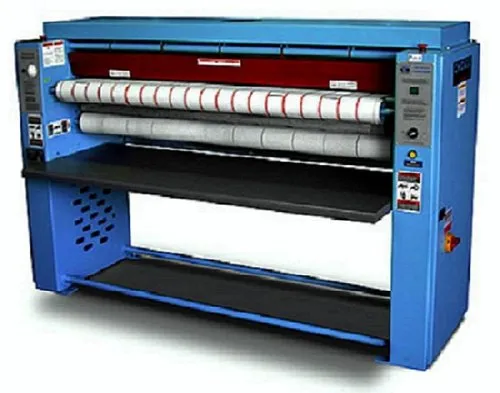
Running a commercial laundry means one thing above all: linens have to look flawless, every single time. A laundry calendar machine makes that possible. Instead of pressing sheets, tablecloths, and curtains by hand, this machine uses heated rollers to smooth out wrinkles in seconds. As a result, hotels, hospitals, and industrial laundries rely on it daily to keep operations fast and finishes consistent.
In this guide, you’ll learn exactly what a laundry calendar machine does, how it works, what it costs in India, and how to pick the right one for your business. Whether you’re upgrading an old unit or buying your first machine, this article gives you everything you need to make a confident decision.
What Is a Laundry Calendar Machine?
A laundry calendar machine, sometimes spelled “calender machine,” is an industrial ironing system built for large, flat textiles. Unlike a handheld iron, it presses fabric using heated rollers and tensioned belts that move linen through the machine in one continuous pass. Consequently, sheets, duvet covers, and tablecloths come out smooth, dry, and ready to use almost immediately.
You may also hear this equipment called a “flatwork ironer” or “roller ironer.” Regardless of the name, the core function stays the same: it presses large, flat fabric items at scale, something no handheld tool can match.
How Does a Laundry Calendar Machine Work?
The process is simpler than it looks. First, damp linen is fed into the machine’s front-loading tray. Next, rollers and a heated chest — often steam, gas, or electrically powered — apply consistent pressure and heat as the fabric passes through. Finally, the linen exits fully dried, pressed, and folded (on models with folding attachments).
Because the rollers apply even pressure across the entire surface, every inch of fabric gets the same finish. Therefore, there’s no streaking, no missed spots, and no uneven heat — problems that are hard to avoid with manual ironing.
Key Benefits of Using a Laundry Calendar Machine
So, why are so many laundry businesses switching to this equipment? Here are the biggest advantages:
- Speed at scale. A single laundry calendar machine can process hundreds of linens per hour. As a result, one operator can do the work that would otherwise take a team of people with handheld irons.
- Consistent, professional finish. Uniform heat and pressure mean every sheet looks identical — a must for hotels, hospitals, and spas where presentation matters.
- Lower labor costs. Because the machine handles pressing and drying together, staffing needs drop significantly over time.
- Energy efficiency. Many modern models include moisture sensors and automatic shut-off features, so they only use power when it’s actually needed.
- Durability. With regular servicing, a well-built calendar machine can run for years without major breakdowns, which keeps long-term costs low.
Taken together, these benefits explain why the equipment pays for itself fairly quickly in high-volume settings.
Types of Laundry Calendar Machines
Not every laundry calendar machine suits every business. Instead, the right choice depends on fabric type, volume, and available heating sources. Here’s a quick breakdown:
By heating method:
- Steam-heated rollers — ideal for high-volume, continuous operations
- Gas-heated rollers — a strong option where steam infrastructure isn’t available
- Electrically heated rollers — best suited to smaller laundries or lower budgets
By roller configuration:
- Single-roll calenders — compact and suited to small loads
- Multi-roll (three-roll or more) calenders — built for heavy-duty, high-throughput laundries
By fabric compatibility: Some machines are optimized specifically for cotton, while others handle blends or synthetic fabrics more effectively. Therefore, it’s worth confirming fabric compatibility before you buy, especially if your laundry handles a mix of materials.
Laundry Calendar Machine Price in India
Pricing varies widely based on capacity and features. Below is a general breakdown to help you budget:
| Machine Type | Approximate Price Range |
|---|---|
| Small stainless-steel units | Starting around ₹18,000 |
| Basic pneumatic cloth calenders | Around ₹50,000 |
| Mid-range steam or single-roll calenders | ₹2.7–3.2 lakh |
| Advanced three-roll or automatic models | ₹3–7.5 lakh and above |
(Price data sourced from industry listings and subject to change based on brand and specifications.)
Additionally, a compact laundry calendar machine for home use does exist, though it’s uncommon. These smaller units suit boutique laundry setups or premium home use rather than daily commercial demand.
How to Choose the Right Laundry Calendar Machine
Before purchasing, weigh these factors carefully:
- Daily linen volume. High-turnover hotels need multi-roll, high-speed machines, while smaller operations can manage with single-roll units.
- Available energy source. Steam-heated models suit facilities that already run boilers; electric models suit smaller setups without that infrastructure.
- Fabric width and throughput. Match the machine’s maximum ironing width to your largest linen items, such as king-size bedsheets.
- Brand reliability. In India, brands like Ramsons, Fabcare, and Inventa are widely regarded as some of the best laundry calender machines available, thanks to steam heating options, adjustable pressure, and consistent output.
- After-sales support. Because these machines run daily, reliable servicing and spare-part availability matter just as much as the upfront price.
Ultimately, the best laundry calendar machine is the one that matches your actual workload — not necessarily the most expensive or the most powerful model on the market.
Maintenance Tips for Longer Machine Life
Proper care extends the lifespan of any laundry calendar machine significantly. Follow these simple practices:
- Clean rollers regularly to prevent starch or lint buildup, which can affect finish quality.
- Check belts and tension settings monthly to avoid uneven pressure.
- Schedule professional servicing at least twice a year, particularly for steam-heated units.
- Monitor temperature settings closely, since overheating can damage both fabric and rollers over time.
With this kind of routine maintenance, most industrial calendar machines run reliably for well over a decade.
Final Thoughts
A laundry calendar machine isn’t just equipment — it’s an investment in speed, consistency, and professional presentation. Whether you run a boutique laundry service or a large hospitality operation, the right machine can transform how efficiently your linens move from wash to shelf. Before you buy, compare heating types, roller configurations, and price tiers carefully, and always factor in long-term maintenance and support. Done right, this single upgrade can reshape your entire laundry workflow for years to come.
FAQ Section
Q1. What is a laundry calendar machine used for? A laundry calendar machine presses and dries large, flat textiles like bedsheets, tablecloths, and curtains in one continuous pass. It replaces manual ironing in commercial laundries, hotels, and hospitals, delivering a smooth, wrinkle-free finish quickly while significantly cutting down labor time compared to handheld irons.
Q2. How much does a laundry calendar machine cost in India? Prices range widely by capacity. Small stainless-steel units start around ₹18,000, basic pneumatic models cost about ₹50,000, mid-range steam calenders run ₹2.7–3.2 lakh, and advanced multi-roll automatic machines can reach ₹3–7.5 lakh or more, depending on brand and features.
Q3. Which is the best laundry calender machine brand in India? Ramsons, Fabcare, and Inventa are among the most trusted brands for laundry calender machines in India. They offer steam heating, adjustable pressure settings, and high-speed output, making them suitable for professional laundries handling large daily linen volumes.
Q4. Can a laundry calendar machine handle all fabric types? Not always. Some machines are optimized specifically for cotton, while others are designed to handle blends or synthetic materials more effectively. Before buying, confirm the machine’s fabric compatibility to ensure it matches the specific textiles your laundry processes regularly.
Q5. How often should a laundry calendar machine be serviced? Most manufacturers recommend professional servicing at least twice a year, alongside monthly checks on belt tension and roller cleanliness. Regular maintenance prevents uneven pressure, reduces fabric damage risk, and helps the machine run reliably for well over a decade.
Meena Ansari is the co-founder and business partner at M/s Tex Aux Chemicals. A passionate writer at heart, she brings a deep curiosity and love for learning to every aspect of the textile industry. With a keen interest in exploring innovations and sharing insights, Meena combines her entrepreneurial experience with a flair for storytelling to educate and inspire readers across the textile community.
- Meena Ansari
- Meena Ansari
- Meena Ansari
- Meena Ansari
- Meena Ansari
- Meena Ansari
- Meena Ansari
- Meena Ansari
- Meena Ansari
- Meena Ansari
- Meena Ansari
- Meena Ansari
- Meena Ansari
- Meena Ansari
- Meena Ansari
- Meena Ansari