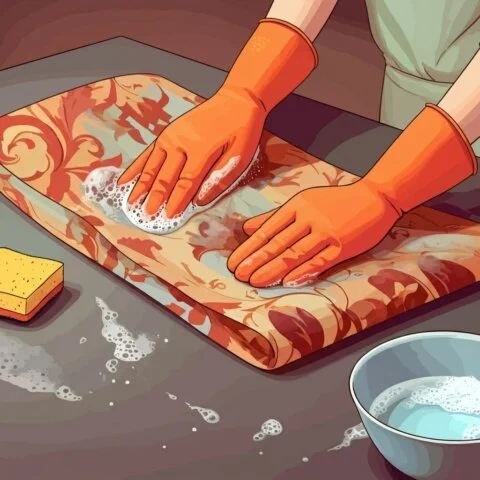
A bright splash of acrylic paint on your favorite shirt can feel like a disaster. But here’s the good news: you can almost always save the garment. This guide shows you exactly how to take out acrylic paint from clothes, whether the stain is still wet or has already dried. You’ll learn step-by-step methods, fabric-specific tips, and simple home remedies that actually work. With a little patience and the right approach, you can rescue your clothes and get back to creating.
Let’s walk through it together, step by step.
Why Acrylic Paint Is So Hard to Remove
First, it helps to understand what you’re dealing with. Acrylic paint sits in an interesting middle ground. While wet, it behaves like a water-based paint, so it rinses out fairly easily. However, once it dries, everything changes.
Acrylic paint contains tiny pigment particles suspended in an acrylic polymer emulsion. As the paint dries, that polymer hardens into a flexible plastic layer. This layer grips the fabric fibers tightly and resists water completely. That’s why a dried acrylic stain acts more like an oil-based paint than a water-based one.
So the lesson is simple. The faster you act, the easier the job. Still, even dried stains respond well to the right treatment, so don’t panic if you missed the wet window.
How to Take Out Wet Acrylic Paint from Clothes
When the paint is still wet, speed is your best friend. Follow these steps right away for the best results.
Step 1: Scrape Off the Excess
Use a dull knife, spoon, or old credit card to lift away the extra paint. Work gently and scoop, don’t rub. Rubbing only pushes the paint deeper into the fibers, which makes your job harder.
Step 2: Flush from the Back
Next, turn the garment inside out. Hold the stained area under cold running water, with the water hitting the back of the fabric. This forces the paint out of the fibers instead of through them. Keep flushing until the water runs mostly clear.
Step 3: Apply a Stain Treatment
Now add a few drops of liquid dish soap or heavy-duty laundry detergent directly to the stain. Work it in gently with your fingers or a soft-bristled brush. Then let it sit for about 15 minutes so it can break down any remaining color.
Step 4: Wash and Check
Wash the garment in cold water on its normal cycle. Afterward, check the stain closely before drying. If any paint remains, repeat the steps above. Never put the item in the dryer until the stain is fully gone, because heat sets paint permanently.
How to Take Out Dried Acrylic Paint from Clothes
Dried stains take more effort, but they’re far from hopeless. The key is to break down that hardened plastic layer first.
Step 1: Scrape the Surface
Start by scraping off any raised, crusty paint with a dull blade or your fingernail. Removing the surface layer gives your treatment direct access to the stain underneath.
Step 2: Soften with Alcohol
Soak a cotton ball or clean cloth in rubbing alcohol. Then dab it onto the stain, working from the outside edge toward the center. This method stops the stain from spreading. Continue until you see color lifting onto the cloth.
Step 3: Rinse and Treat
Once the paint loosens, rinse the area with warm water. Then apply dish soap or detergent and gently scrub with a soft brush. Let it sit for 15 minutes.
Step 4: Wash Thoroughly
Finally, wash the garment as usual in cold water. Check the result before drying, and repeat the treatment if needed. Patience pays off here, so give it a few rounds if necessary.
Fabric-Specific Tips for Removing Acrylic Paint
Different fabrics need slightly different care. Always check the care label first, then match your method to the material.
Cotton
Cotton is sturdy and forgiving, which makes it one of the easiest fabrics to treat. You can scrub more firmly and use rubbing alcohol or dish soap without much worry. Flush from the back, treat the stain, and wash in cold water. For white cotton, a little color-safe stain remover boosts your results.
Polyester
Polyester releases stains well because its fibers don’t absorb deeply. However, the paint can cling to the surface, so act quickly. Flush, apply dish soap, and gently work the stain. Use warm water as recommended on the label, and avoid high heat that could set both the paint and the fabric.
Wool
Wool is delicate, so treat it with extra care. Skip aggressive scrubbing and hot water, which can shrink or felt the fibers. Instead, dab gently with cold water and a tiny amount of wool-safe detergent. Test rubbing alcohol on a hidden spot first, then apply it lightly. Never use bleach on wool.
Delicate Fabrics (Silk, Acetate, and Rayon)
Delicate fabrics demand the gentlest approach. For silk and similar materials, avoid rubbing alcohol unless a hidden-spot test shows no damage. Blot, don’t rub, and use cool water with a mild soap. When in doubt with silk or other fragile items, take the garment to a professional dry cleaner and tell them it’s an acrylic paint stain.
Alternative Household Remedies That Work
Don’t have a commercial stain remover on hand? Several common items can do the job. Always test each one on a hidden area first.
- Rubbing alcohol: Excellent for breaking down dried paint. Dab it on, let it sit, then rinse.
- Baking soda paste: Mix equal parts baking soda, dish soap, and rubbing alcohol. Apply to the stain, wait 15 minutes, then rinse.
- Dish soap: Its degreasers dissolve wet acrylic paint quickly. Rub in a few drops and rinse with warm water.
- Hairspray: Many hairsprays contain alcohol, which helps lift dried stains. Spray, wait, then rinse clean.
- Nail polish remover (acetone): Effective on dried paint, but harsh. Use only on sturdy fabrics, and never on acetate, which it can dissolve.
Each remedy works best when paired with a normal wash afterward. So treat the stain first, then launder as usual.
What to Avoid When Removing Acrylic Paint
A few common mistakes can make a stain permanent. Keep this short list in mind.
- Don’t use hot water on fresh stains. Heat sets the paint into the fibers.
- Don’t dry the garment until the stain is gone. The dryer locks in any leftover paint for good.
- Don’t rub aggressively. Rubbing spreads the stain and damages fabric.
- Avoid acetone on delicate fibers like acetate, triacetate, or silk.
- Skip turpentine and paint thinners. These industrial solvents aren’t meant for acrylic stains and can ruin fabric.
In short, gentle and patient always beats harsh and rushed.
Prevention Tips to Protect Your Clothes
Of course, the easiest stain to remove is the one that never happens. A few simple habits keep your clothes safe while you create.
- Wear an apron or designated old clothes during any painting project.
- Lay down a drop cloth to catch splatters and spills.
- Roll up your sleeves and tie back loose fabric.
- Keep a damp cloth nearby to dab any drips before they dry.
- Clean brushes promptly so stray paint doesn’t transfer.
With these small steps, you’ll spend less time treating stains and more time enjoying your work.
FAQ:
How do you get acrylic paint out of clothes?
To remove acrylic paint from clothes, act quickly. Scrape off excess paint, rinse the stained area with cold water, and blot with a mixture of mild detergent and warm water. For dried paint, use rubbing alcohol or nail polish remover, then wash as usual to restore your fabric’s appearance.
What removes dried acrylic paint?
Rubbing alcohol, acetone, or ammonia-based cleaners effectively remove dried acrylic paint. Apply the solvent to the stain, let it sit for a few minutes, and gently scrub with a soft brush or cloth. Rinse thoroughly and wash the fabric normally to remove any remaining paint or chemical residue.
Can hand sanitizer remove acrylic paint from clothes?
Yes, hand sanitizer can help remove acrylic paint from clothes because it contains alcohol. Apply a generous amount to the stained area, let it sit for a few minutes, then gently scrub with a toothbrush or cloth. Rinse with warm water and wash the garment as usual for best results.
Does acrylic paint permanently stain clothes?
Acrylic paint can permanently stain clothes if it dries, as it forms a plastic-like coating that bonds with fabric fibers. However, if treated while still wet, it’s usually removable with water and detergent. Quick action is key to preventing permanent stains and preserving your clothing’s original look.

Meena Ansari is the co-founder and business partner at M/s Tex Aux Chemicals. A passionate writer at heart, she brings a deep curiosity and love for learning to every aspect of the textile industry. With a keen interest in exploring innovations and sharing insights, Meena combines her entrepreneurial experience with a flair for storytelling to educate and inspire readers across the textile community.
- Meena Ansari
- Meena Ansari
- Meena Ansari
- Meena Ansari
- Meena Ansari
- Meena Ansari
- Meena Ansari
- Meena Ansari
- Meena Ansari
- Meena Ansari
- Meena Ansari
- Meena Ansari
- Meena Ansari
- Meena Ansari
- Meena Ansari
- Meena Ansari