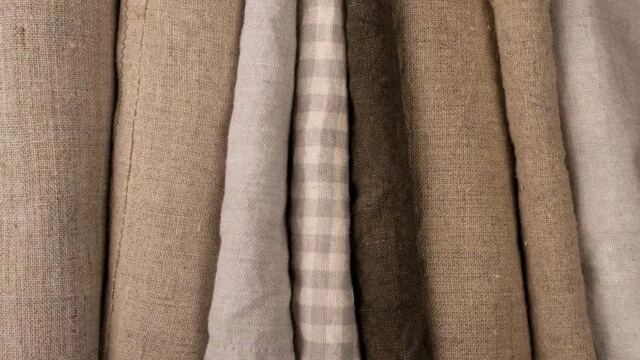
Spanish Cotton has earned a loyal following among makers, designers, and home decorators who want fabric that feels luxurious yet performs reliably. Woven in Spain with European craftsmanship, this material blends softness, durability, and striking printed patterns. Whether you sew garments, reupholster a chair, or design bridal pieces, Spanish cotton fabric delivers consistent quality that holds up over time.
In this guide, you’ll learn:
- Where Spanish Cotton comes from and how the industry grew
- What makes its quality stand out
- The main weave types and how they differ
- How it’s manufactured and where it’s used worldwide
Let’s start with the story behind the fabric.
The History and Origins of Spain’s Cotton Industry
Spain’s relationship with cotton stretches back centuries. The Moors first introduced cotton cultivation to the Iberian Peninsula, and over time, regions like Catalonia became hubs for spinning and weaving. By the 18th and 19th centuries, the Spanish textile industry had grown into a major economic force, with Barcelona at its center.
While Spain imported much of its raw fiber, its mills built a reputation for refined finishing and design. This focus on craftsmanship, rather than raw volume, still defines European cotton today. Modern Spanish manufacturers combine that heritage with updated machinery and eco-conscious practices.
As a result, the “Made in Spain” label signals more than geography. It points to a tradition of careful production, vibrant print design, and attention to detail. That legacy is exactly why so many buyers seek out Spanish Cotton over generic alternatives.
What Makes Spanish Cotton Quality Stand Out
Quality is the main reason Spanish Cotton commands attention in the global market. Several characteristics work together to set it apart from ordinary cotton textile options.
Softness and Comfortable Feel
First and foremost, Spanish Cotton feels soft against the skin. Mills use fine yarns and smooth finishing processes, so the fabric drapes well and stays comfortable. This makes it a favorite for clothing that sits close to the body, such as blouses, dresses, and lingerie.
Durability That Lasts
Softness rarely means fragility here. Many Spanish-made cottons are built to withstand heavy use. Upholstery-weight versions, for example, can exceed 28,000 double rubs, a standard test for fabric wear. Consequently, these textiles suit furniture and high-traffic projects without losing their shape.
Breathability for All Seasons
Because cotton is a natural fiber, it breathes well and regulates temperature. Spanish Cotton takes this further with lightweight weaves that keep you cool in summer yet layer nicely in cooler months. This versatility explains why designers reach for it year-round.
Vibrant Prints and Rich Color
Finally, Spanish Cotton is famous for its printed cotton designs. Floral motifs, geometric patterns, mandalas, and playful prints all appear in bold, lasting colors. Spanish printing techniques hold color well, so patterns stay crisp after repeated washing.
To sum up, the combination of softness, strength, breathability, and color makes this fabric a genuine premium choice.
Common Weave Types in Spanish Cotton Fabric
Not all Spanish Cotton looks or behaves the same. The weave determines weight, texture, and best use. Understanding these options helps you pick the right fabric for your project.
Poplin
Poplin is a tightly woven plain weave with a smooth, crisp surface. It works beautifully for shirts, tunics, and structured dresses. Moreover, its even texture takes prints cleanly, which makes it a popular choice for patterned designs.
Voile
Voile is light, sheer, and airy. Because it weighs so little, it suits flowing summer garments, scarves, and delicate layers. Organic Spanish cotton voile, in particular, appeals to makers who want a soft hand with eco-friendly credentials.
Twill
Twill features a diagonal weave that adds strength and a subtle texture. As a result, it drapes with more body than poplin and resists wrinkles. Designers often choose twill for jackets, trousers, and floral-printed dresses that need extra structure.
Double Gauze
Double gauze layers two fine cotton weaves stitched together. This creates a soft, slightly textured fabric that breathes well and feels gentle. It shines in baby clothing, relaxed apparel, and lightweight blankets.
Here’s a quick comparison to guide your choice:
- Poplin – crisp, smooth, great for shirts and prints
- Voile – sheer, light, ideal for summer wear
- Twill – sturdy, textured, suited to structured pieces
- Double gauze – soft, airy, perfect for relaxed and baby items
With weave types covered, let’s look at how this fabric actually comes to life.
How Spanish Cotton Is Manufactured
The manufacturing process explains much of the fabric’s quality. While methods vary between mills, most follow a similar path from fiber to finished bolt.
Step 1: Fiber Preparation and Spinning
First, mills clean and comb the cotton fiber to remove impurities. Then, spinning machines twist the fibers into fine, even yarn. The quality of this yarn directly affects softness and strength, so Spanish producers pay close attention here.
Step 2: Weaving
Next, the yarn moves to looms, where it becomes fabric. Depending on the desired result, weavers create poplin, voile, twill, or double gauze. Modern looms allow precise control over thread count and width, often producing fabric between 135 cm and 155 cm wide.
Step 3: Printing and Dyeing
After weaving, many fabrics head to the print stage. Spanish mills are known for vibrant, detailed prints applied through rotary or digital methods. Skilled color management keeps the patterns sharp and fade-resistant.
Step 4: Finishing
Finally, finishing treatments enhance softness, set the color, and stabilize the weave. Some producers also offer organic Spanish cotton, processed without harsh chemicals to meet sustainability standards. This step gives the fabric its signature smooth hand.
In short, each stage adds value, and the careful approach is what keeps Spanish textile industry products in demand.
Applications of Spanish Cotton in the Global Textile Market
Thanks to its versatility, Spanish Cotton appears across many industries. Buyers worldwide use it for both practical and decorative purposes.
Fashion and Apparel
Fashion remains the largest use. Lightweight weaves suit blouses, dresses, skirts, and tunics, while sturdier twills handle jackets and trousers. Because the fabric breathes well and prints beautifully, designers rely on it for seasonal collections and everyday garments alike.
Upholstery and Furniture
Heavier Spanish Cotton serves the upholstery market. With high double-rub ratings and contemporary patterns, it covers sofas, chairs, and cushions. Furthermore, its durability means these pieces stay attractive through years of use.
Home Decor
Beyond furniture, Spanish Cotton brightens homes through curtains, drapes, throw pillows, and bedding. The vivid prints add personality to any room, and the natural fiber keeps interiors feeling fresh. For decorators, it strikes a smart balance between style and function.
Bridal and Special Occasion Pieces
Spanish Cotton also has a place in bridal and formal wear. Historically, Spanish cotton lace appeared in evening gowns and elegant dresses. Today, fine cotton weaves and laces continue to support delicate, detailed designs for special occasions.
Across all these uses, the same qualities apply: comfort, durability, and standout color. That consistency is why the fabric travels so well across global markets.
How to Choose the Right Spanish Cotton
Picking the right fabric comes down to matching weave and weight to your project. Keep these tips in mind:
- For garments worn close to the skin, choose voile or poplin for softness.
- For structured clothing, pick twill, which holds its shape.
- For furniture, select upholstery-weight cotton with a high double-rub rating.
- For eco-conscious projects, look for certified organic Spanish cotton.
- For bold visual impact, prioritize printed cotton with vibrant patterns.
Always request a swatch when possible. A sample lets you check the hand, color, and weight before committing to a full order. This simple step prevents costly mistakes.
Conclusion
Spanish Cotton blends centuries of European craftsmanship with modern manufacturing to deliver a fabric that’s soft, durable, breathable, and beautifully printed. From poplin and voile to twill and double gauze, its range of weaves suits projects across fashion, upholstery, home decor, and bridal design. The careful spinning, weaving, printing, and finishing process explains why this material stands out in the global textile market.
If you’re planning your next project, start by deciding which weave fits your needs, then order a swatch to confirm the feel and color. With the right choice, Spanish cotton fabric rewards you with comfort, longevity, and lasting style. Use this guide as your checklist, and you’ll shop with confidence.
FAQ's
What is Spanish cotton?
Spanish cotton is cotton grown mainly in Andalusia, southern Spain. It is primarily upland cotton known for consistent fiber quality, cleanliness, and compliance with strict European agricultural and environmental standards, making it suitable for apparel, home textiles, and industrial textile applications.
Where is cotton grown in Spain?
Cotton in Spain is grown almost entirely in the Andalusia region, particularly in Seville, Córdoba, and Cádiz. The area’s warm Mediterranean climate, fertile soils, and advanced irrigation systems create favorable conditions for efficient and high-quality cotton cultivation.
What are the key characteristics of Spanish cotton fiber?
Spanish cotton typically has medium to medium-long staple length, good fiber strength, balanced micronaire, and low contamination levels. These characteristics allow smooth spinning and consistent yarn quality, making it suitable for both ring-spun and open-end yarns.
Is Spanish cotton considered sustainable?
Yes, Spanish cotton is regarded as relatively sustainable due to efficient water management, integrated pest control, reduced chemical usage, and strong traceability systems. European Union regulations further ensure environmentally responsible farming practices and transparency across the supply chain.

Meena Ansari is the co-founder and business partner at M/s Tex Aux Chemicals. A passionate writer at heart, she brings a deep curiosity and love for learning to every aspect of the textile industry. With a keen interest in exploring innovations and sharing insights, Meena combines her entrepreneurial experience with a flair for storytelling to educate and inspire readers across the textile community.
- Meena Ansari
- Meena Ansari
- Meena Ansari
- Meena Ansari
- Meena Ansari
- Meena Ansari
- Meena Ansari
- Meena Ansari
- Meena Ansari
- Meena Ansari
- Meena Ansari
- Meena Ansari
- Meena Ansari
- Meena Ansari
- Meena Ansari
- Meena Ansari